Blankets and quilts serve as essential layers for warmth, comfort, and aesthetic balance in bedrooms. This category emphasizes materials, construction, and care methods that influence insulation, breathability, and longevity. Understanding weight classifications, stitch patterns, and fiber types helps select pieces suitable for different seasons and sleeping preferences, including cotton, wool, and blended fabrics.
Key features to evaluate include warmth rating, thermal performance, and fabric durability. Tex Bedcover and similar quilted textiles often combine a soft outer shell with an insulating fill, offering consistent temperature regulation. Knowledge of fill power, loft, and corner-to-corner quilting can guide choices for sleepers seeking consistent coverage and minimal shifting during the night.
Functional benefits of modern blankets and quilts extend to moisture management and hypoallergenic properties. Many textiles incorporate breathable weaves and moisture-wicking finishes, supporting comfortable sleep climates. For households with sensitivities, selecting materials with low allergen potential and easy maintenance can improve overall sleep quality without compromising warmth.
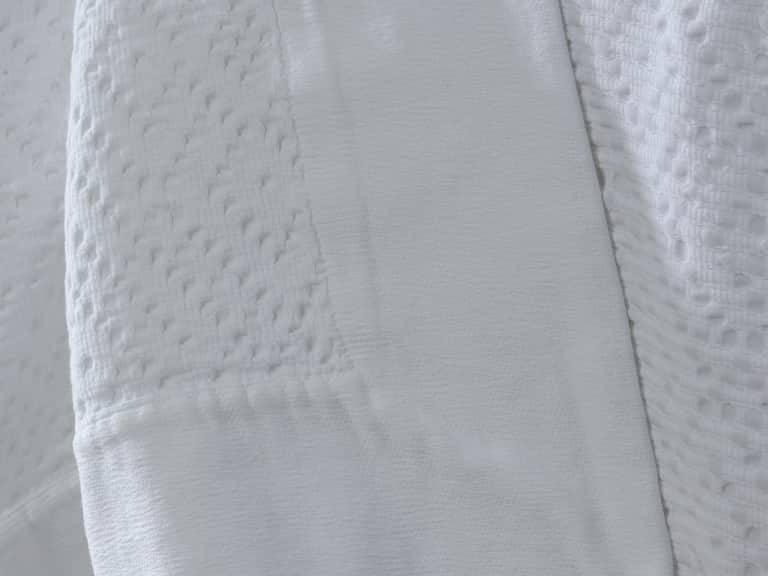
In this category, textiles like Tex Bedcover demonstrate how stitching geometry and edge finishes contribute to durability and drape. Understanding product specs such as fabric weight, fiber content, and care instructions helps users anticipate performance across seasons. This knowledge supports informed decisions for layered bedding setups with sheets and pillows that complement the overall comfort system.
By considering compatibility with additional bedding components—sheets, latex pillows, and adjustable beds—consumers can optimize warmth, support, and ergonomics. Clarifying use cases for blankets and quilts, such as year-round layering or seasonal transitions, clarifies how these textiles integrate into a cohesive sleep environment without focusing on purchasing incentives.
 Bedding